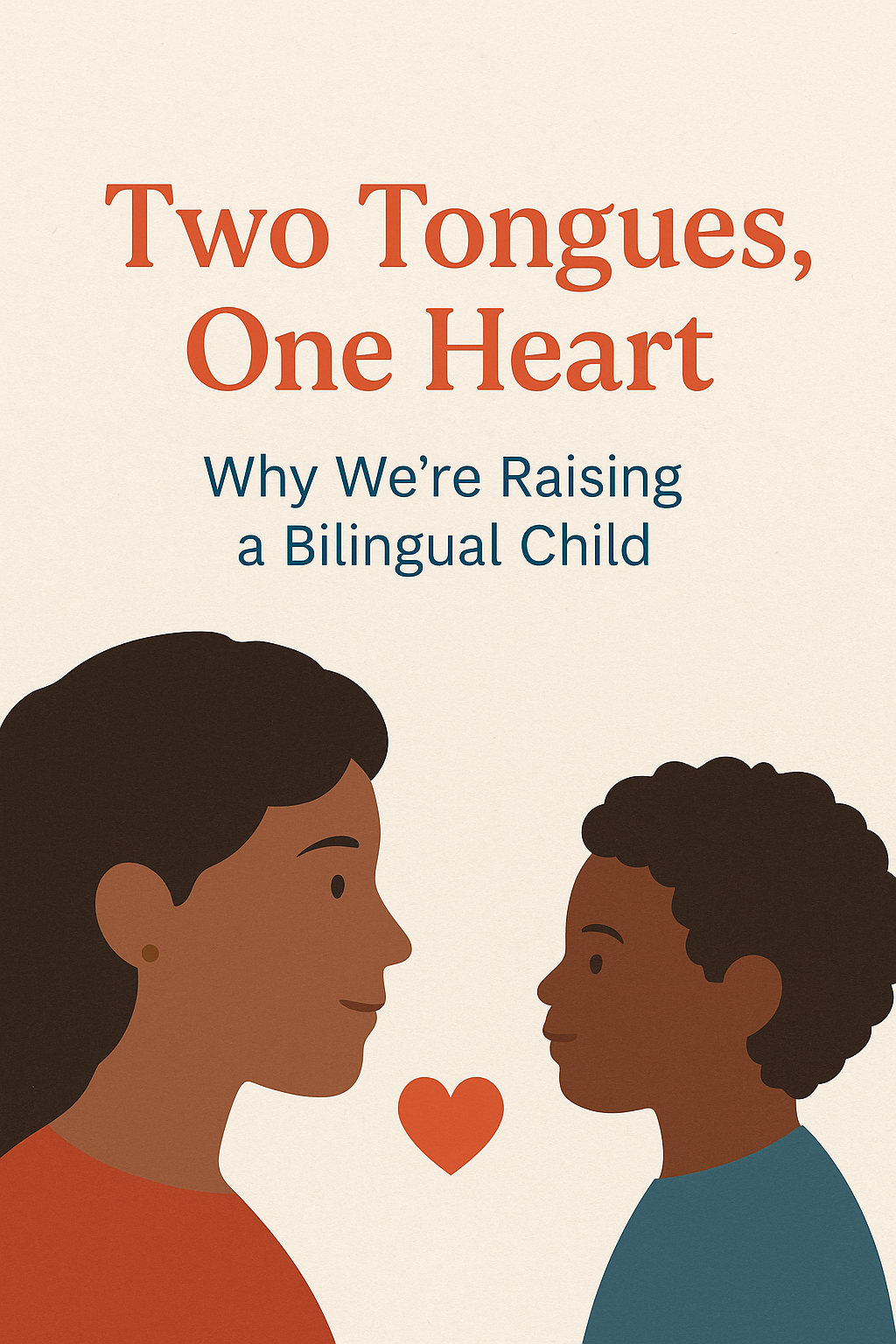
Two tongues, one heart: the magic of raising a bilingual child
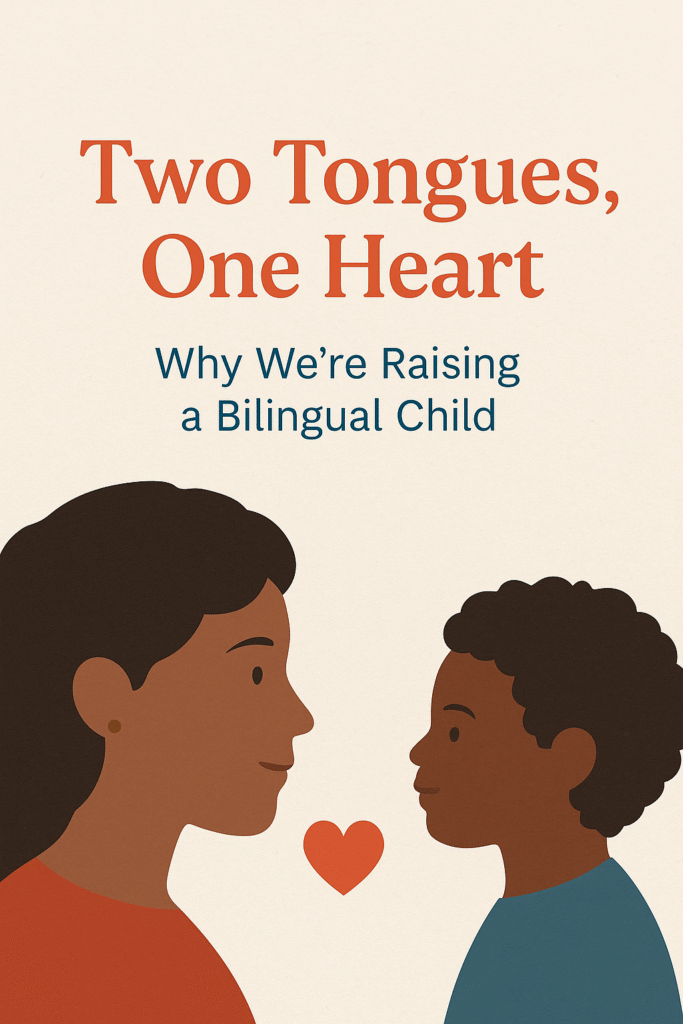
If you’ve ever heard a toddler switch between “Mommy” and “Maman” in the same breath or effortlessly hop between “small foot “ and “petite pied” without missing a beat, you’ll know exactly what I mean when I say: raising a bilingual child feels like raising a little magician.yeah, I know, why foot though? I guess it was easier for him.
In our home, languages weave together like the roots of two trees growing side by side: one African, one European. My child’s world is colored with the rhythm of drums and the lilt of chansons. But as enchanting as it is, raising a bilingual child is not just poetic, it’s purposeful. And sometimes? A little messy.
The Journey Begins at Birth
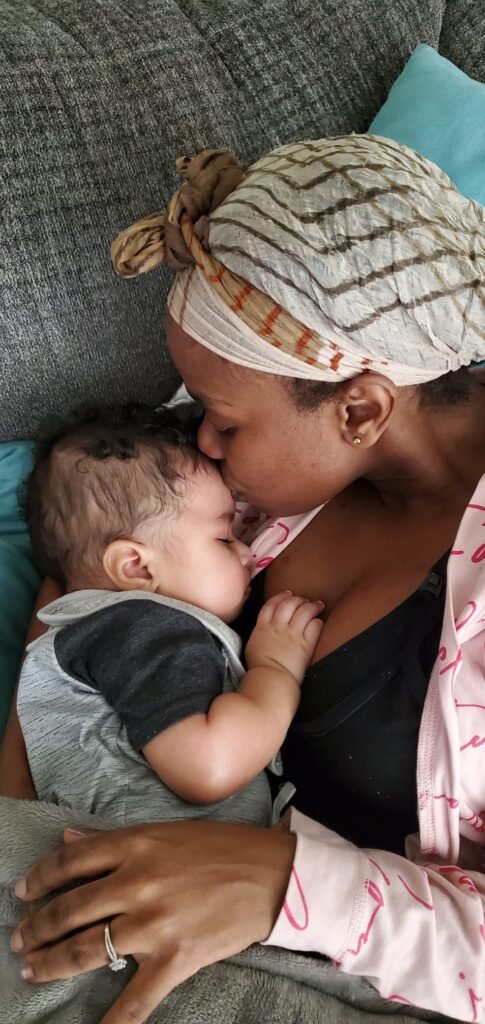
Children are born wired for language. From their first gurgles, they are decoding tones, rhythms and sounds. Bilingualism doesn’t confuse them, it expands them. In fact, babies raised in bilingual homes can distinguish between languages as early as six months old. The earlier they are exposed, the more natural their bilingualism becomes.
So in our home, we made a decision: no translation days. I speak one language, my partner speaks another. It’s like building two separate but beautiful bridges to the same destination – connection.
Yes, there are moments when vocabulary from both languages spills into a single sentence, creating a delightful hybrid we call “Franglish” (or in your case, insert your unique language blend). But that’s part of the process, code-switching is actually a sign of advanced linguistic skill!
More Than Words: Bilingualism Is a Cultural Gift
Raising a bilingual child isn’t just about words, it’s about identity. It’s about helping your child feel at home in both grandpa’s kitchen in Kenya and grand-mère’s garden in La Rochelle. It’s about passing down lullabies and idioms and stories that connect them to generations before them. It’s about the different cultures we were raised in, yet somehow in between the differences we found our common ground to what is now our beautiful love story.
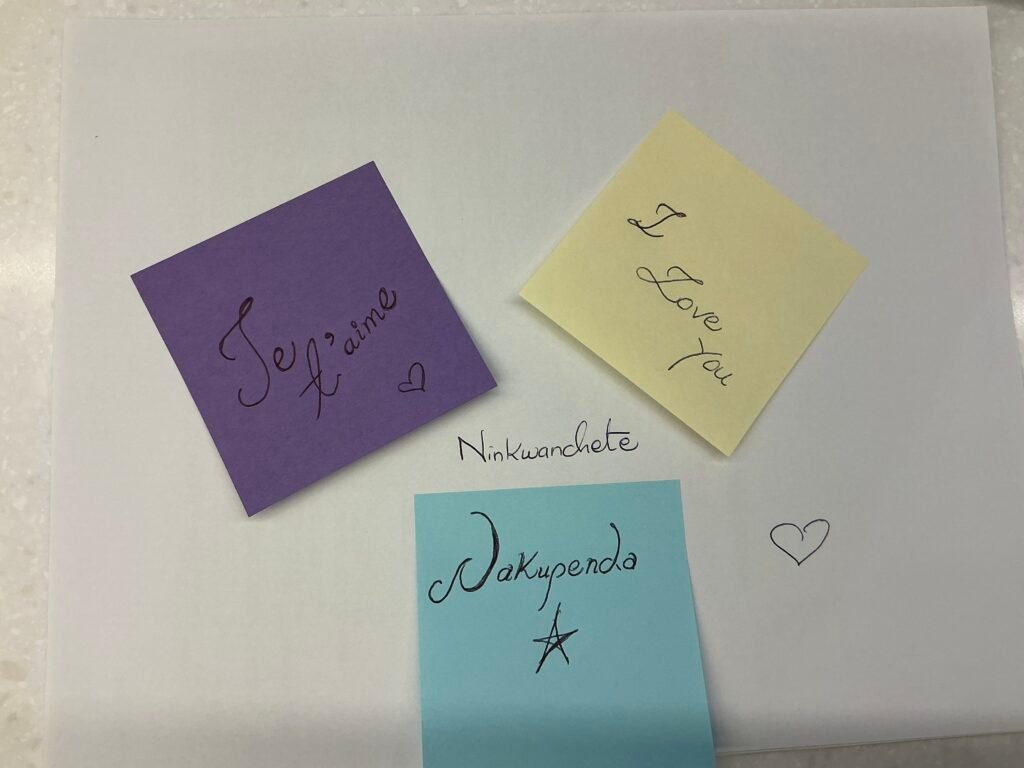
Language is the soul of culture. By raising bilingual children, we give them access not just to vocabulary, but to worldview. They learn empathy, adaptability and the beautiful truth that there’s always more than one way to say “I love you.”
Challenges? Yes. Regrets? Never.
Yes, sometimes it’s tiring repeating yourself in two languages. Yes, school systems might not always support your efforts. And yes, your child might rebel during their teenage years and declare they only want to speak one language. But trust me, keep going. Keep speaking. Keep singing. Keep storytelling. One day, they’ll thank you. Maybe in English. Maybe in Swahili or French. Maybe in all .
Your Bilingual Home Is a Treasure
Whether you’re just starting your bilingual journey or you’re knee-deep in the toddler language mix-up stage, know this: your home is a living classroom. You are not just raising a child, you are nurturing a bridge between cultures, between generations and between worlds.So don’t worry if it’s not perfect. It doesn’t have to be. Language, like love, is best when it’s alive, imperfect and shared.
Are you raising a bilingual child too? I’d love to hear your funniest language mix-ups, proudest moments, or cultural wins. Let’s build a multilingual village—one word at a time.